
AI-created images in insurance fraud and the impacts on clients, advisors
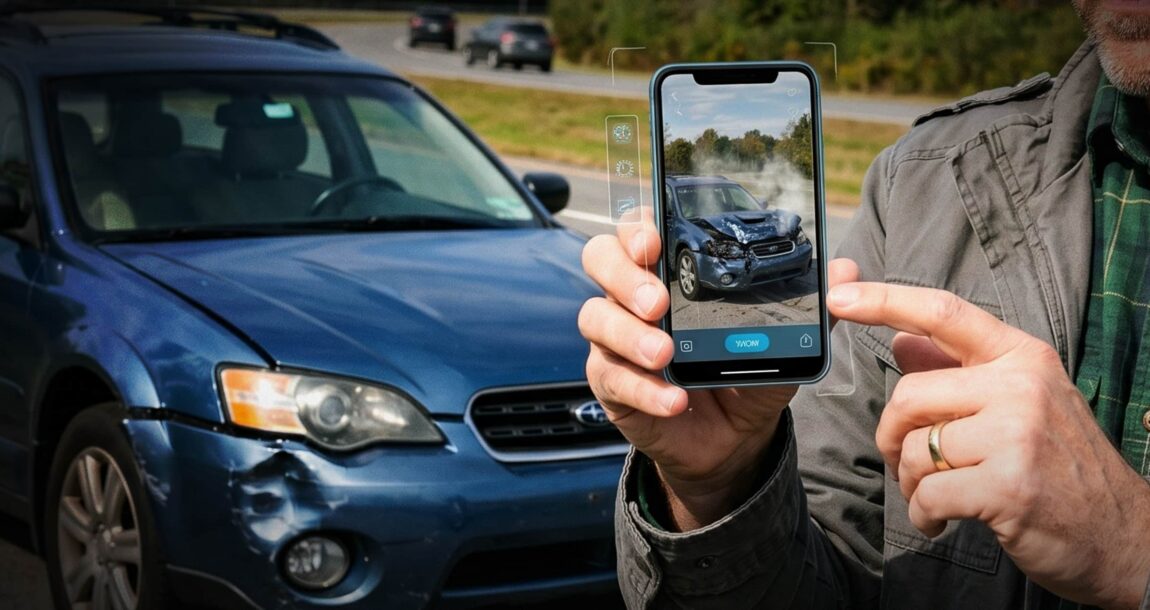
As AI-generated images have become more sophisticated and accessible to the average person, insurance companies are increasingly questioning whether photos submitted during the claims process are real.
These days, generative AI tools can alter or create convincing images of vehicle damage, property losses, crash scenes, and other claim evidence in seconds.
“Adding damage to a vehicle or a roof has become as easy as point-and-click or drag-and-drop,” said Franklin Manchester, global insurance strategic advisor, SAS Institute.
There are even programs available to create free roofing invoices.
When you look at the numbers, it’s clear that AI-generated image fraud is an exploding trend. The Entrust Cybersecurity Institute’s 2025 Identity Fraud Report found that in 2024, digital document forgeries jumped 244% from the previous year.
On top of that, recent research from the Association of Certified Fraud Examiners and SAS, an AI and data software company, found that only 7% of anti-fraud pros are more than moderately prepared to detect or prevent AI-driven fraud.

“The question is no longer whether an image can be fabricated, but if a verification process on the other end has kept pace,” explained Ben Colman, co-founder and CEO of Reality Defender, a deepfake detection company.
Advisors who use this framing can help clients understand why even honest policyholders are about to face more scrutiny for each claim they submit.
What this means for clients and advisors
Digital photos are still valuable evidence in support of a claim, but they should no longer be treated as independent proof of a loss.
“That’s why strong supporting records such as receipts, inventories, videos and maintenance records are more important than ever before,” said Steven H. Craft, Jr. founder and principal of Lucleon Insurance.
Property-related policies, including homeowners, commercial property, flood and high-value personal property coverage, are among the highest risk for AI-generated images because they’re often reliant on photographic evidence.
The good news is insurance companies recognize this. They already know that policyholders have everything they need at their fingertips to falsify documents, create fake images, and introduce a fraudulent claim.
As a result, they’re doing whatever they can to strengthen the verification processes.
Claims teams increasingly review metadata, previous inspection records, weather records, satellite imagery and other third-party sources to confirm losses.
“Advisors should prepare clients for additional detail requested in the documentation as well as potential delays if evidence cannot be verified independently,” Craft explained.
Why multiple forms of evidence matter
Claim-related issues usually occur when submitted photographs don’t match corresponding inspection records, timestamps or properties.
The reality is that even legitimate claims can face additional scrutiny while the insurance company verifies details.
In order to mitigate that risk, Craft encourages his clients to take a proactive approach.
Ideally, they’d carry out regular video walkthroughs, preserve original photo files, record serial numbers, and retain receipts.
“The most efficient claims happen with multiple pieces of evidence,” Craft explained.
Additionally, all the videos and photos clients take must be captured on their own device and not edited, cropped, or run through the app.
“This is not foolproof by any means, but for an ecosystem largely lacking synthetic media detection tools, it’s necessary in the process thanks to the advent and explosion of generative AI tools,” Colman added.
© Entire contents copyright 2026 by InsuranceNewsNet.com Inc. All rights reserved. No part of this article may be reprinted without the expressed written consent from InsuranceNewsNet.com.
The post AI-created images in insurance fraud and the impacts on clients, advisors appeared first on Insurance News | InsuranceNewsNet.